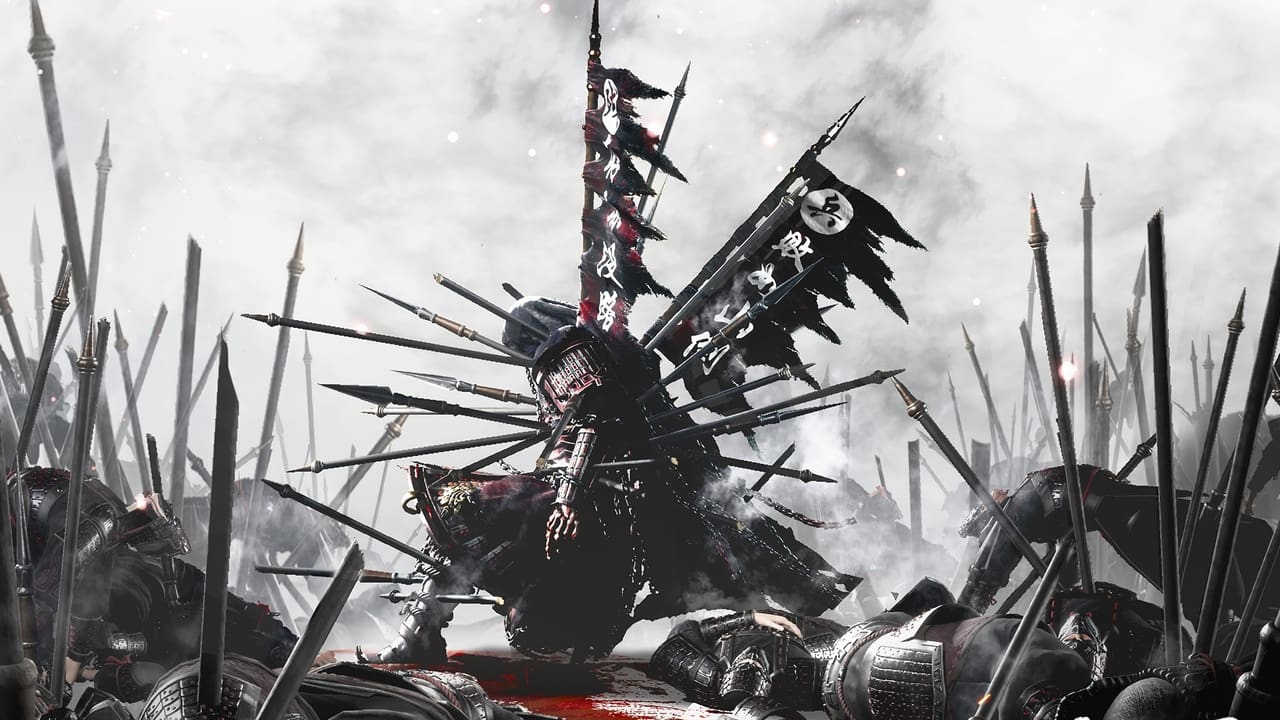
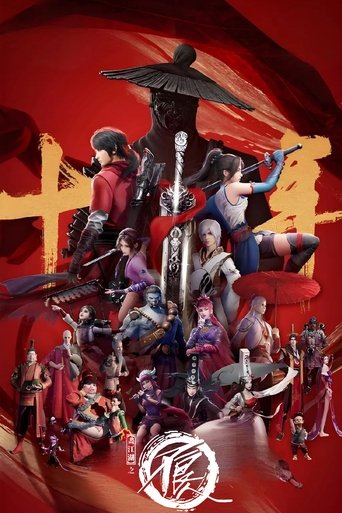
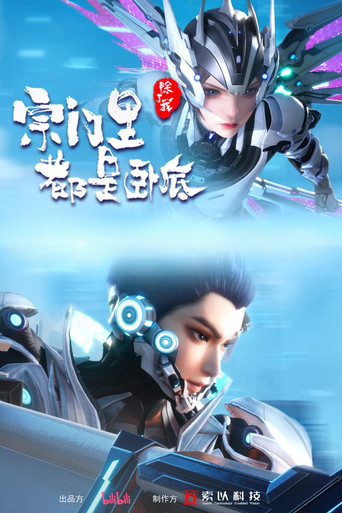
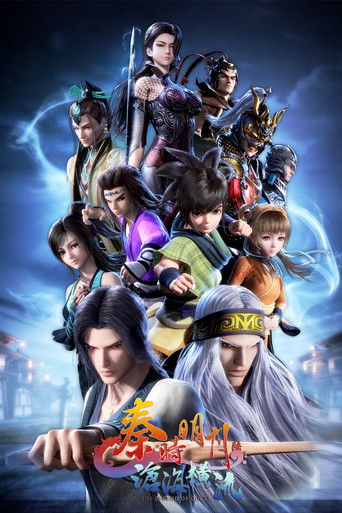
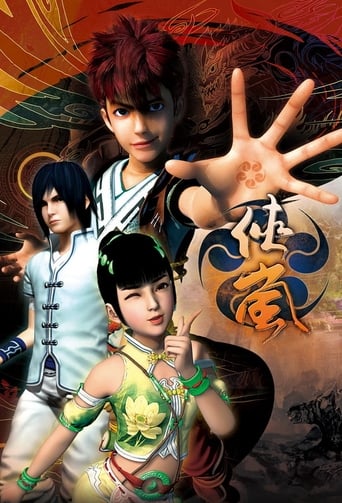
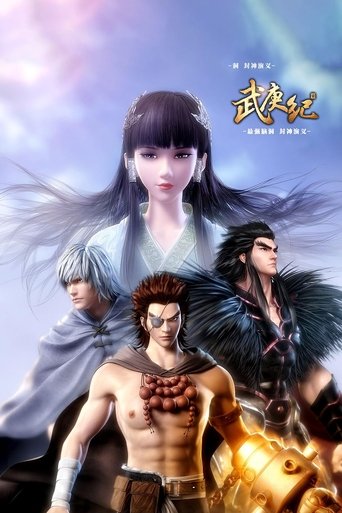
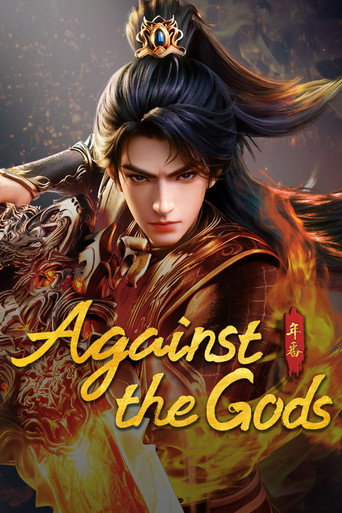
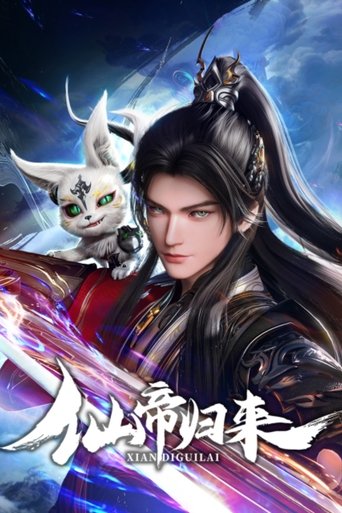
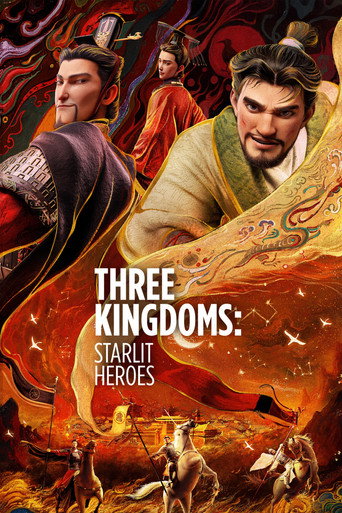
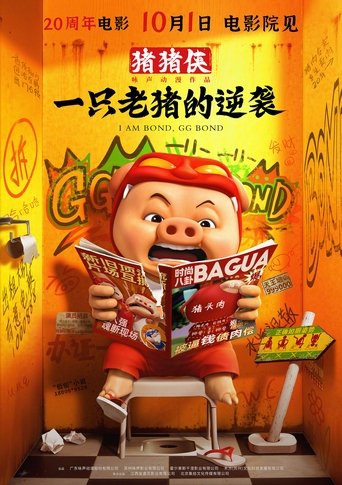
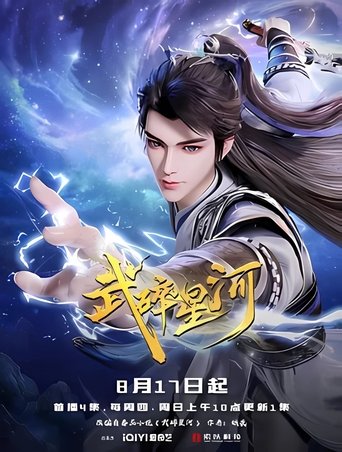
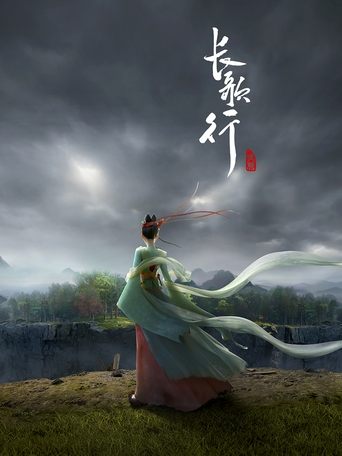
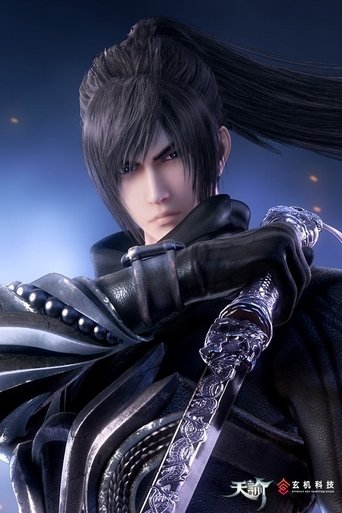
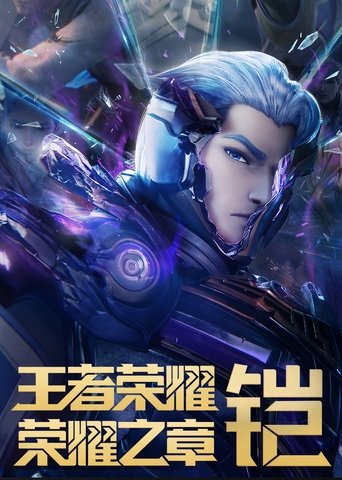
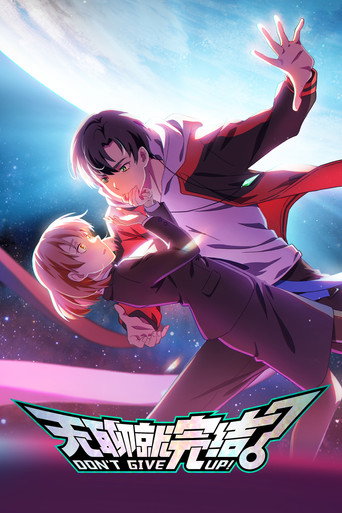
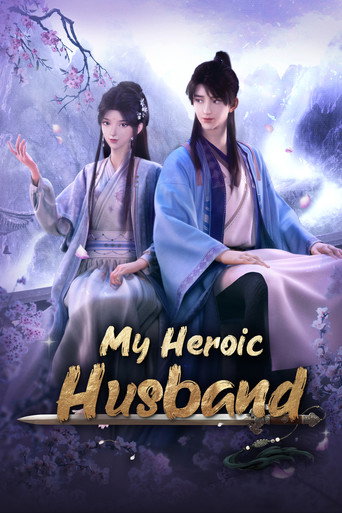
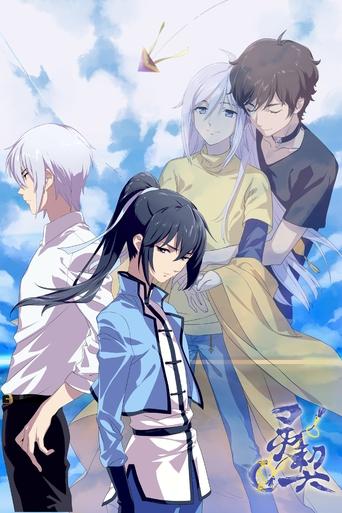
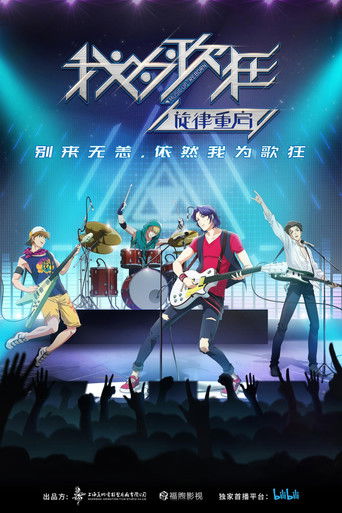
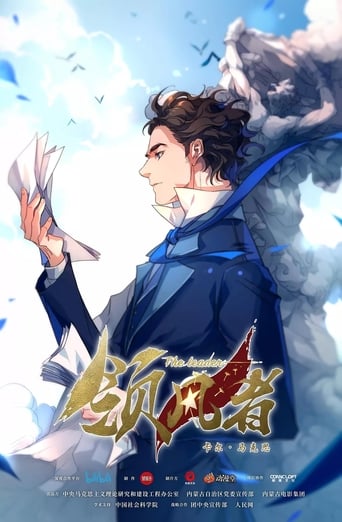
In the last years of the Eastern Han Dynasty, Dong Zhuo wreaked chaos in the capital city by holding the Emperor hostage to threaten the Imperial Marquises. He also held the family members of the Imperial Marquises as hostages. Using Lü Bu's scheme, the coalition forces were lured into Luoyang before it was set ablaze. To save the hostages, the coalition forces had to use various tactics and tricks. All the famous figures came to aid the cause. A battle deciding the future of the country ensued.
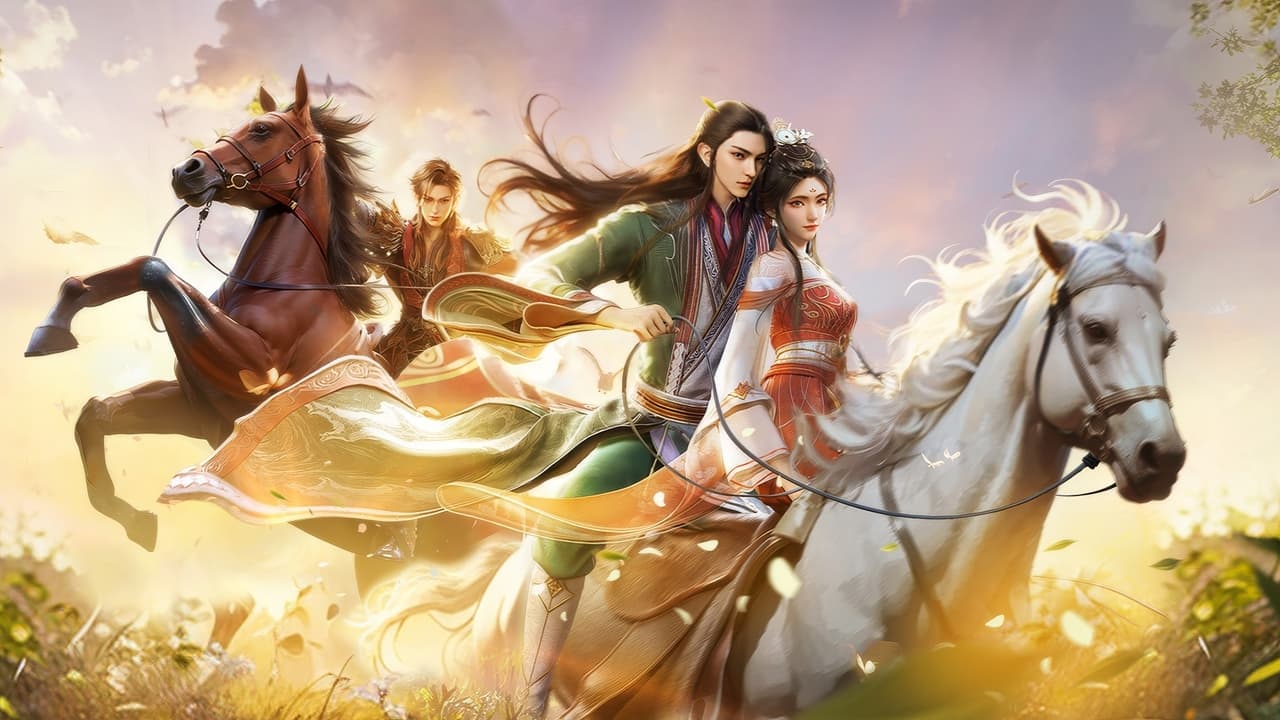
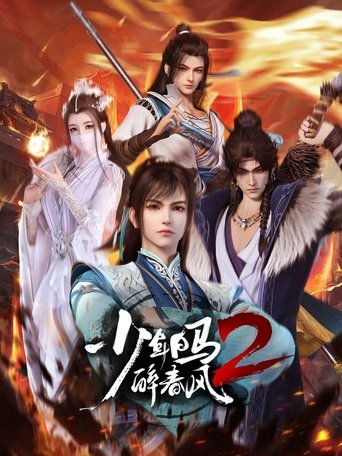
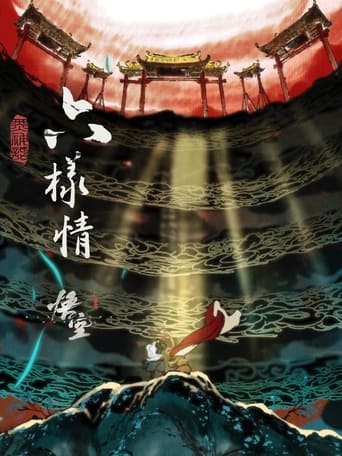
Four teenagers find the truth, solve the mystery of their origins, and experience all kinds of difficulties and dangers to become the gentlemen and maintain justice in the world with a chivalrous spirit.
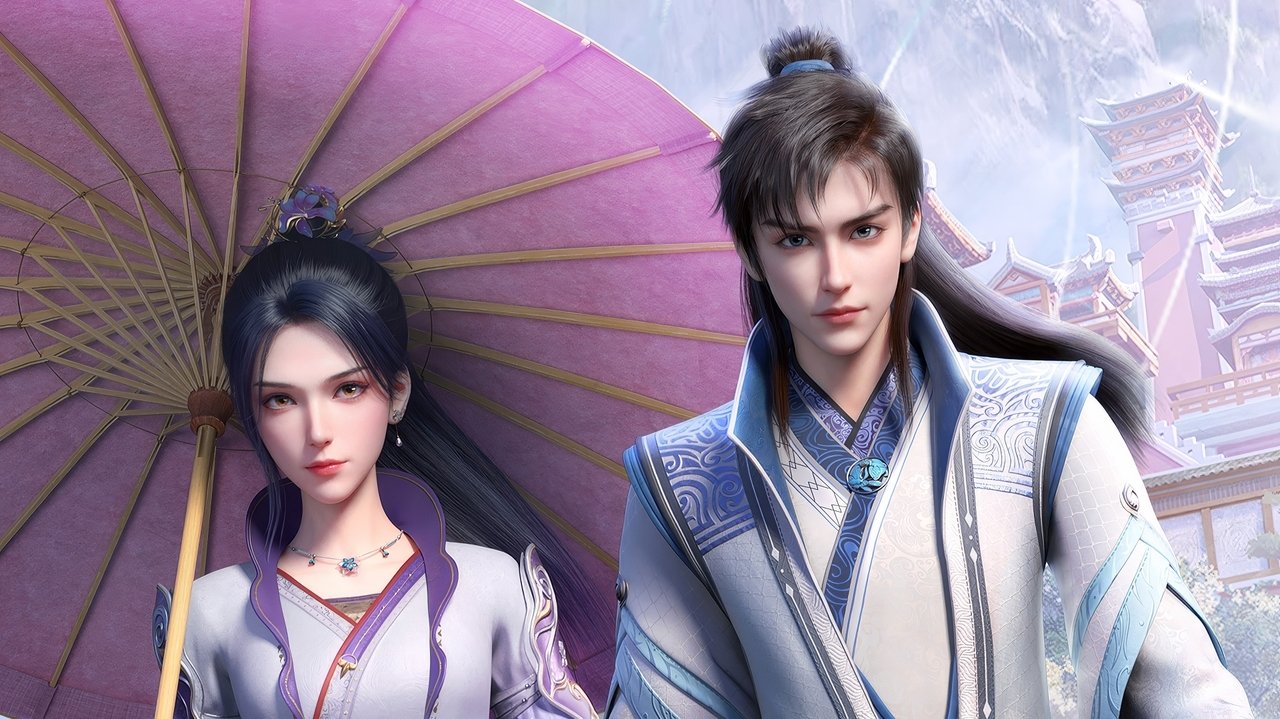
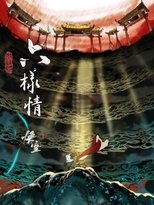
Dark River, the most mysterious assassin organization in the martial arts world, is composed of three families: Su, Xie, and Mu. The highest ruler of the three families is known as the TOP Leader. The top leader is currently suffering from a strange poison and is at the brink of death. Upon learning the news, the three families of Dark River seized the opportunity to launch a rebellion. Su Muyu, also known as Kui, the head of the Spider Shadow, the guardian squad of the top leader, sought out the divine doctor Bai Hehuai from the Medicine King Valley to cure him while also fending off the assassins from the other families to protect him. However, Su Changhe, his close friend in Dark River, has joined the assassination plot against the top leader on behalf of the Su family.
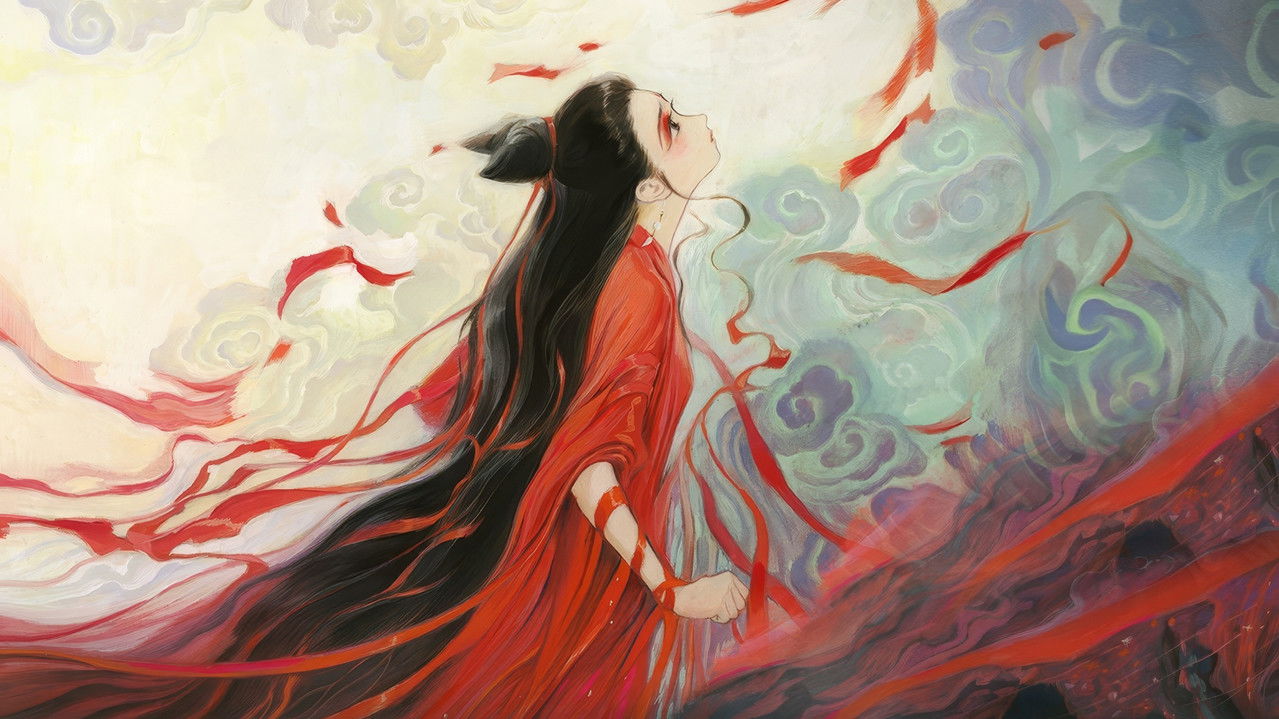
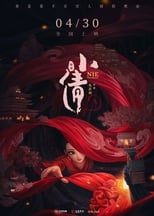
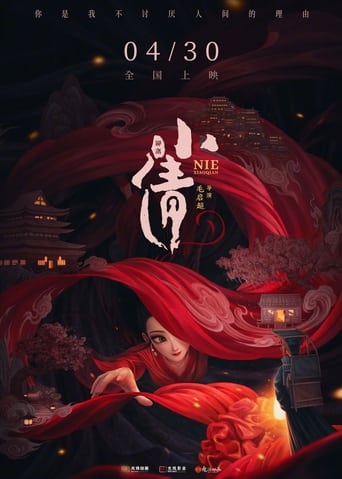
Nie Xiaoqian was betrayed and died with hatred. She turned into a ghost after death and was imprisoned in Lanruo Temple. Ning Sheng went to Capital to take examination and stayed here, and accidentally saved Xiaoqian.
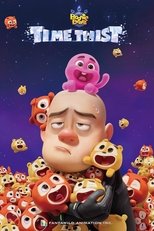
Bramble, Briar, and Vick unexpectedly follow a time traveller 100 years in the future, where they find Earth beset by environmental catastrophe, with humanity barely able to survive.
AniHQ: donghua and Chinese animation, and where to watch them
From The Ravages of Time, Word of Honor and Tales of Dark River to Against the Gods and Martial God Asura, from The Monkey King and Lotus Lantern to Boonie Bears, Pleasant Goat and McDull, and from Link Click to On Happiness Road and Art College 1994. Pick a title and press Watch now.
AniHQ: donghua and Chinese animation, from The Ravages of Time, Tales of Dark River and Against the Gods to The Monkey King, Boonie Bears, McDull and On Happiness Road
AniHQ began as a busy English-language anime site built on a popular WordPress theme, with a charcoal page, a wide spotlight banner, a Trending row of posters with tall vertical titles and big numbers, four dark list panels, a multicoloured cloud of genres and a sky-blue accent on every heading. The new AniHQ keeps that familiar, energetic design and gives it a focus that fans of animation are discovering in ever larger numbers: donghua, the animation of mainland China, Hong Kong and Taiwan.
Here you will find cultivation epics in which young heroes climb toward immortality, wuxia tales of swordsmen and assassins, grand historical dramas of warring states and fallen dynasties, new versions of the Monkey King and other beloved legends, science fiction and urban fantasy, comedies and romances, family films starring bears, goats and a gentle piglet from Hong Kong, and art-house films that have won praise at festivals around the world. Every title has its own page with the story, the studio, the voice cast and, for series, every episode with its air date, plus a Watch now button that opens it on the official services in your country.
The guide gathers more than two hundred series and films, and each one was chosen by hand. This page explains how AniHQ is built, what each part of the design does and what waits on each shelf. It also suggests some viewing routes and points to the short guides that answer everyday questions about subtitles, devices, free viewing and saving titles for later.
The AniHQ design
The design is measured from the archived anihq.to home page, captured in November 2025, and from its large style sheet. The theme stores its colours as named variables, and AniHQ uses them exactly. The page is a soft charcoal, #202125, with a darker #121315 for the header and footer. Panels such as the four list boxes, the genre cloud and the Top 10 sit on #2A2C31, and two greys, #414248 and #4A4B51, mark buttons, tabs and dividers. Text is a warm off-white, #FFFFF1, a touch softer on the eyes than pure white.
The accent is a bright sky blue, #38BDF8, supported by three deeper shades, #0EA5E9, #0284C7 and #0369A1, for hover states and highlights. Sky blue marks the headings, the rank numbers, the Watch now pills, the HD chip on the spotlight and the My List button. The genre cloud breaks the palette on purpose, with each link in a different pastel colour, just as on the original, so the list of shelves reads like a box of coloured pencils.
The original used Montserrat, a clean geometric typeface with generous letter shapes, and AniHQ keeps it for every word. The original logo image was only partly captured by the archive, so the wordmark is drawn fresh: Ani in off-white followed by HQ in dark letters on a rounded sky-blue tile. The favicon shows the same HQ tile.
The header and the spotlight
The header is a dark, slightly translucent bar that stays at the top of the screen as you scroll. On the left, a menu icon opens a drawer with every link and a search box on phones and tablets. Next comes the wordmark, then a white search box with rounded corners and a small dark Filter button inside it that opens the A to Z index, just like the original. On wide screens, the site-wide links follow: Home, Series, Films, Cultivation, Browse and About. On the right sits a sky-blue My List button, where the original had its login button.
Below the header, the spotlight fills much of the screen. Five titles take turns here: The Ravages of Time, Word of Honor, Tales of Dark River, Nie Xiaoqian and Boonie Bears: Future Reborn. Each slide shows a wide still on the right, fading into the charcoal page on the left, where a sky-blue line reads #1 Spotlight, #2 Spotlight and so on. Beneath it come the title in large bold letters, a row of small details (the type, the year, the score and a sky-blue HD chip), three lines of the story and two rounded pills: a sky-blue Watch now and a grey Detail. Two square arrows on the right move between the slides, and on a phone you can swipe.
After the spotlight, a short heading block introduces the site with the main heading of the page, a line of the best-known titles and two buttons for the cultivation and wuxia shelves.
Trending, the four panels and the sidebar
The Trending row is the most distinctive part of the original design, and AniHQ keeps it faithfully. Ten posters sit side by side, each with a narrow dark strip on its left where the title runs upward in white letters and a large sky-blue number sits at the bottom, from 01 to 10. The row scrolls sideways on smaller screens, so you can swipe through the most popular titles in the guide.
Below it come four dark panels side by side, which the original used for Top Airing, Most Popular, Most Favorite and Completed Series. On AniHQ they show Top cultivation, Most popular, Most favourite and Films. Each panel lists five titles with a small poster, the title in two lines and a grey line with the type, the number of episodes or the year and the score, and ends with a grey View more bar that opens the full shelf.
Then the page splits into two columns. On the left, a Latest additions grid shows the newest titles in the guide as poster cards. Each card carries two small chips over the bottom of the poster, a pale green one with the number of episodes, marked EP, and a pale blue one with the number of seasons, or a single chip reading Film. Under the poster sit the title and a grey line with the type, the year and the running time. Themed shelves follow in the same style: wuxia and history, myths and legends, sci-fi and urban fantasy, comedy and romance, family and art-house.
On the right, the sidebar holds the Genres cloud, with every shelf in its own pastel colour, and the Top 10 panel, with three tabs for series, films and all titles and a ranked list whose first three numbers are underlined in sky blue. At the bottom of the page, the help grid leads to each guide, followed by this article and a dark footer with the wordmark, an A to Z bar of letter tiles and the site links.
What is donghua?
Donghua is simply the Chinese word for animation, and fans around the world use it for series and films made in mainland China, Hong Kong and Taiwan. The donghua guide gives a short introduction, and the All donghua shelf holds every title on the site.
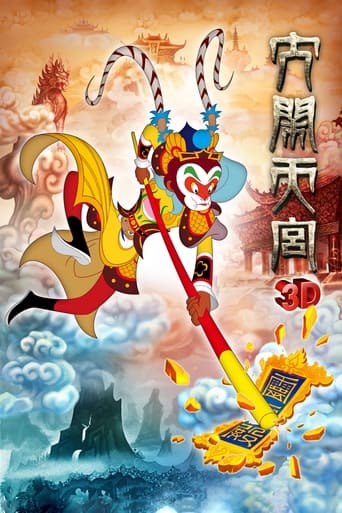
Chinese animation has a long and proud history. The Shanghai Animation Film Studio, founded in the 1950s, made celebrated films using ink-wash painting, paper cut-outs and puppets, and its characters are still loved by families today. Calabash Brothers gathers the story of seven magical brothers born from gourds, first shown on television in the 1980s, and Lotus Lantern, from 1999, follows a young boy who uses a magic lantern to rescue his mother, a goddess imprisoned under a mountain. The Monkey King 3D: Uproar in Heaven remakes one of the studio's most famous films for the modern cinema.
In the 2000s and 2010s, a new generation of studios grew up, and in the last decade streaming platforms such as bilibili, Tencent Video, iQIYI and Youku have commissioned hundreds of new series. Many adapt popular web novels, especially the long tales of martial arts and immortal cultivation that fill Chinese reading apps, while others adapt online comics or create original stories. The style ranges from lush hand-drawn animation to detailed three-dimensional computer graphics, which are especially common in cultivation series.
Hong Kong and Taiwan have their own traditions. Hong Kong gave the world the gentle, funny McDull films, and Taiwan has produced personal, festival-winning films such as On Happiness Road, as well as the dazzling puppet-inspired fantasies of the Pili studio. The Hong Kong and Taiwan shelf gathers them.
Cultivation epics
Cultivation stories are the beating heart of modern donghua. In these tales, known as xianxia and xuanhuan, heroes train their bodies and spirits through a ladder of realms, gathering spiritual energy, mastering techniques and facing rival sects, ancient beasts and scheming immortals on their way toward godlike power. The Cultivation shelf gathers more than forty series and films, and the cultivation guide suggests where to start.
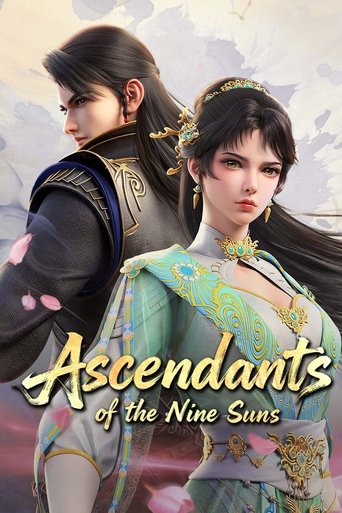
Against the Gods is one of the most popular. Its hero, Yun Che, is hunted for possessing a heaven-defying treasure, throws himself from a cliff and wakes up in another body, where he sets out to settle old scores and protect the people he loves. Martial God Asura follows a young man who discovers that talent is only the beginning, and Ascendants of the Nine Suns reincarnates a betrayed master in his younger self, ready to rebuild his path. The Dragon Prince follows a young painter whose brush can light up the heavens, and World of Immortals sends its hero onto a mysterious dragon island.
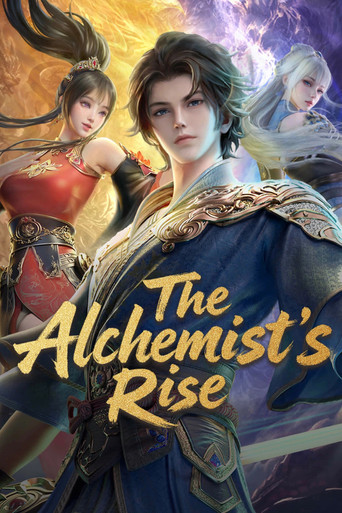
Many series play with the conventions of the genre. Qi Refining for 3000 Years is a comedy about a disciple who seems stuck at the lowest level for three thousand years yet hides astonishing power, and Villain Initialization resets a veteran villain to his seventeen-year-old self. Spy x Sect follows a hacker reborn into a world of sects, The Alchemist's Rise follows a young man born with a disability who gambles everything on a quest for medicine and One Way or Another tells of a hidden village and a child prodigy.
Cultivation series are often long, with several seasons and dozens of episodes, and they are usually animated in detailed three-dimensional computer graphics that show off flowing robes, glowing swords and spectacular battles among mountains and clouds. They reward patience: the heroes start weak and grow step by step, and each new realm brings bigger stakes and bigger spectacle.
Wuxia and history
Wuxia, the martial chivalry tradition, is older than cultivation and more grounded: its heroes are wandering swordsmen, loyal friends, masked assassins and scheming officials in a world of inns, bamboo forests and mountain sects. The Wuxia and history shelf gathers more than thirty titles, and the wuxia guide picks a few favourites.
The Legend of Qin, from Sparkly Key Animation Studio, is a landmark of Chinese computer animation. First shown in 2007 and continued over six seasons, it follows the unification of China under the First Emperor through the eyes of a young boy with a mysterious past, mixing real history with sword fights, secret societies and the philosophical schools of ancient China. Nine Songs of the Moving Heavens tells a related tale from the Han State.
The Ravages of Time, adapted from Chan Mou's acclaimed manhua, retells the end of the Eastern Han Dynasty and the rise of the Three Kingdoms with a sharp focus on strategy, espionage and the brilliant minds behind the generals. It is one of the most admired donghua of recent years. Romance of the Three Kingdoms and the film Three Kingdoms: Starlit Heroes tell the same great story in other ways.
Chinese folklore is one of the richest sources of stories in the world, and donghua returns to it again and again. The Myths and legends shelf gathers more than twenty-five titles, and the myths guide suggests where to begin.
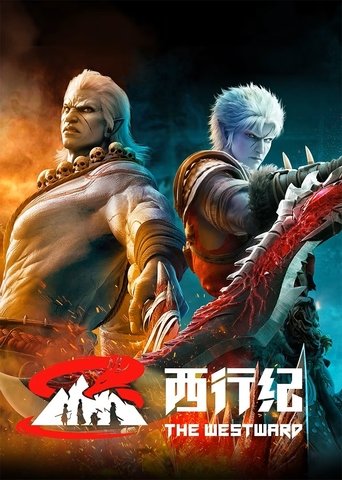
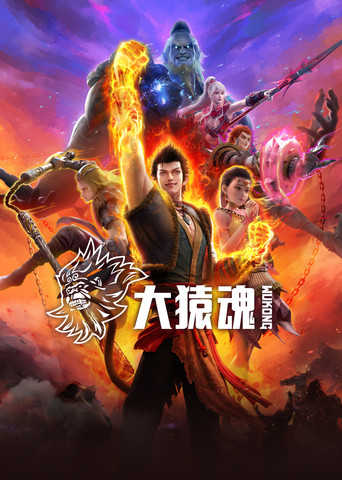
Journey to the West, the sixteenth-century novel about the Monkey King Sun Wukong and his pilgrimage with the monk Tang Sanzang, is the most retold of all. The Monkey King 3D: Uproar in Heaven brings back the classic episode in which Sun Wukong defies the heavenly court. The Westward imagines the journey as a heavenly conspiracy, and its prequel film, The Westward: Good Bye, Monkey King, follows a princess of the heavens who befriends the young Wukong. WUKONG is a darker, modern retelling, and Six Roots - Black Myth: Wukong Ending Animations gathers the striking animated chapters made for the acclaimed video game.
Other legends appear in many forms. God with Three Eyes follows the god Erlang Shen, who must open his third eye after being banished to the mortal world. Nie Xiaoqian retells A Chinese Ghost Story from the point of view of the ghost herself. The Butterfly Lovers animates the famous tale of Liang Shanbo and Zhu Yingtai, The Umbrella Fairy follows a royal fairy who must guard a vengeful sword spirit, and The Magical Brush follows Ma Liang, whose brush brings whatever he paints to life. Tofu is a playful Han Dynasty tale about the invention of bean curd.
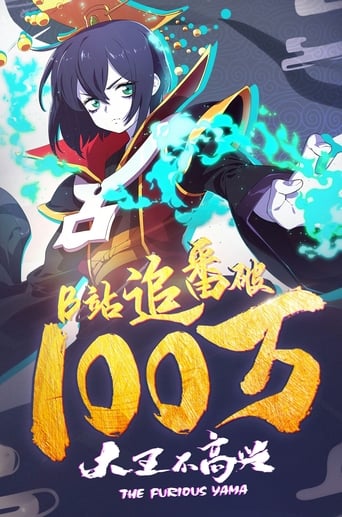
Some films build new myths. Kuiba and Kuiba 2 follow a young boy in a fantasy world threatened by a monster reborn every three hundred and thirty-three years, and they are often cited as turning points for Chinese animated features. The Furious Yama is a comedy about a young judge of the underworld who is afraid of ghosts, Revelation draws on legends of the Xia Dynasty, and the two One Hundred Thousand Bad Jokes films turn famous myths into anarchic parody.
Sci-fi and urban fantasy
Donghua is also full of futures, game worlds and modern cities with secrets. The Sci-fi and urban fantasy shelf gathers more than thirty-five titles.
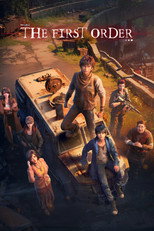
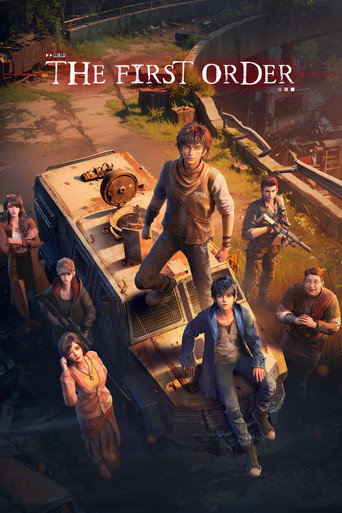
10000 Years Later is a bold computer-animated film set hundreds of thousands of years after the collapse of civilisation, in a wasteland inhabited by strange tribes. Moon Man follows a lone survivor on the Moon after humanity fails to stop an asteroid, The First Order imagines a world transformed by nuclear winter, and Sea in a Box follows four players testing a virtual-reality game with artificial characters. Hero Return asks what happens when the first real superhero comes back to a world that has moved on.
Plenty of donghua is gentle, funny or romantic. The Comedy and romance shelf gathers close to thirty titles.
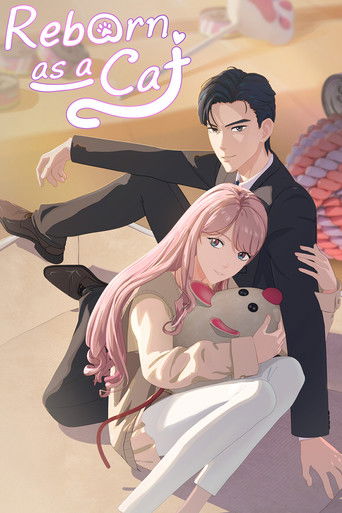
I'm Joybo follows a new editor at a publishing house and the playful writer who keeps giving him a hard time. Hey, Your Cat Ears Are Showing! follows a lonely manga artist whose quiet life changes when a mysterious cat-eared girl appears, and Reborn as a Cat follows a young woman in debt who finds herself living as a cat. Those Years I Opened A Zoo is a sweet comedy about a young man who inherits a private zoo full of unusual animals, and The Girl Downstairs is a campus romance about a student who follows his crush to university. X&Y follows a young man who returns to his hometown and gets caught up in an escape room, and Face on Lie follows a talented young woman who faces unfair rumours in the big city.
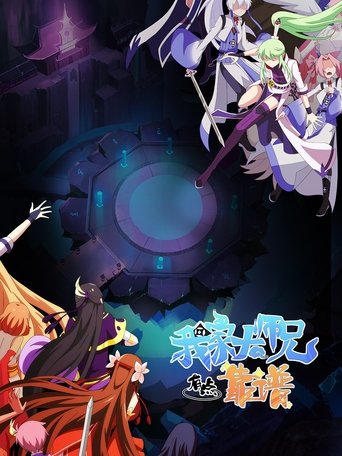
Comedy runs through many fantasy series too. What's Wrong with My Big Brother follows the eldest disciple of a sect, whose peculiar habits drive everyone around him to distraction, The Unparalleled Black & White follows two young demons who slack off at work, and Cooking with Valkyries serves heartwarming meals to a band of warrior maidens. My Heroic Husband follows a modern businessman who travels to the ancient Wu Dynasty and becomes a live-in son-in-law, and Are you OK imagines an imperial court that recruits time travellers for their talents.
Chinese animation for children is a huge industry, and the Family shelf gathers more than fifty series and films for younger viewers. The family guide suggests a few to start with.
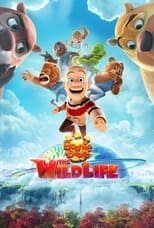
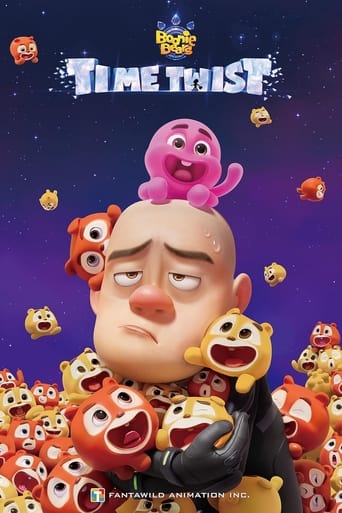
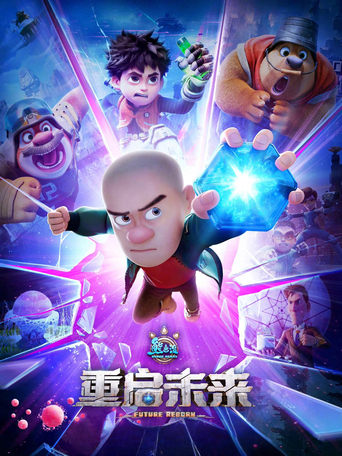
Boonie Bears is one of the biggest family franchises in China. Its heroes are two bear brothers, the clever Briar and the lovable, slightly clumsy Bramble, who protect their forest from the logger Vick, and over the years the three have become an unlikely team. The films take them everywhere: Boonie Bears: Homeward Journey is an early adventure, Boonie Bears: Robo-Rumble adds giant robots, Boonie Bears: The Wild Life visits an amusement park where animals are the stars, Boonie Bears: Time Twist gives Vick a chance to relive his life and Boonie Bears: Future Reborn sends them a hundred years into the future.
Some of the most beautiful Chinese animation comes from independent artists and festival films. The Art-house and shorts shelf gathers more than twenty of them, and the Hong Kong and Taiwan shelf gathers animation from those two places.
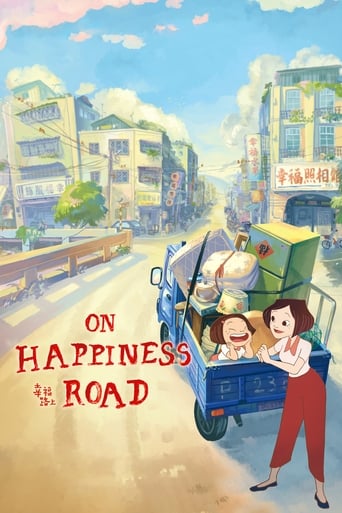
On Happiness Road, by the Taiwanese director Sung Hsin-yin, follows a woman who returns to Taipei from the United States after her grandmother's death and remembers growing up on the street of the title during the years of Taiwan's rapid change. Drawn in soft colours and full of childhood fantasy, it is one of the most moving films in the guide. Grandma and Her Ghosts, from 1998, is a warm Taiwanese tale about a boy who discovers that his grandmother helps the spirits of the dead.
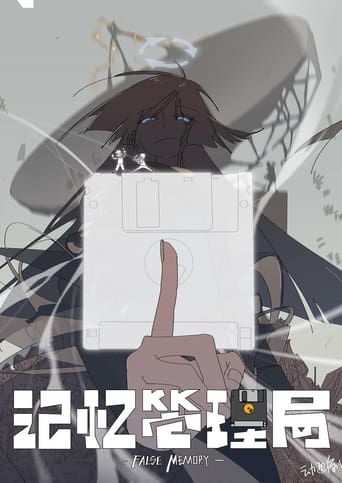
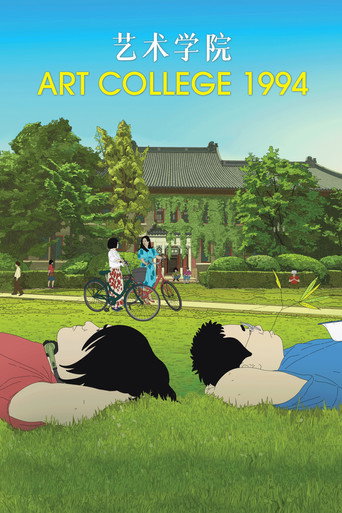
Art College 1994, by Liu Jian, follows a group of students at an art academy in southern China in the 1990s, debating art, love and the future with dry humour. It was selected for the main competition of the Berlin International Film Festival. City of Lost Things follows a teenager who runs away from home into a strange world of discarded objects, and False Memory is a surreal film about a young man who keeps his lost friend alive in memory.
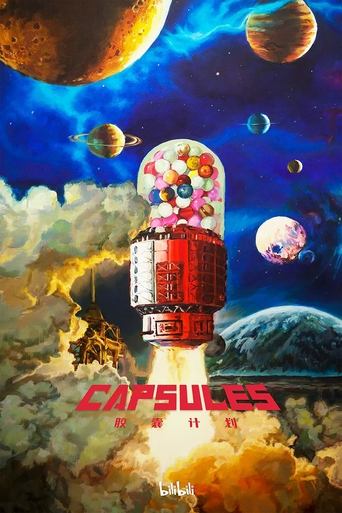
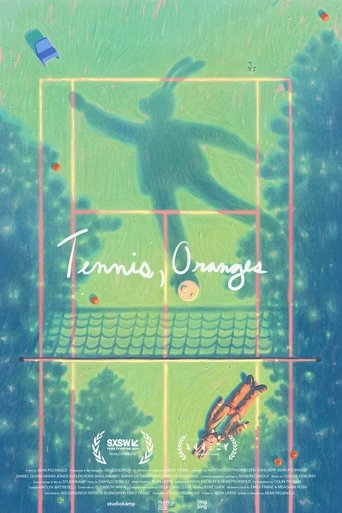
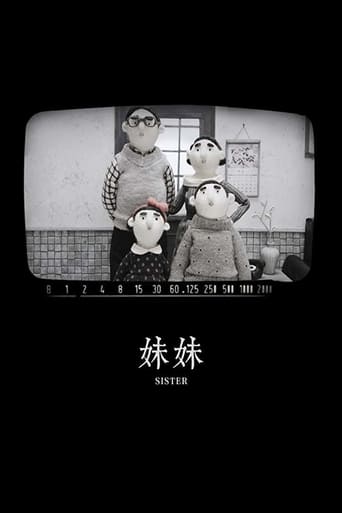
Short films show the range of independent animators. Sister, a stop-motion short made at CalArts, remembers a childhood in 1990s China with an annoying little sister and wonders how life might have turned out otherwise. Tennis, Oranges follows a robot vacuum in a hospital who decides to quit and find a more meaningful life. Valley of White Birds and Kung Fu Cooking Girls come from the Wolf Smoke studio, famous for its ink-wash style, and A Fish with a Smile, 1 Dimension, Out of Sight and Compound Eyes of Tropical are festival shorts from Hong Kong and Taiwan. The CAPSULES series gathers original short films from young animators.
Every shelf on AniHQ
The full list of shelves lives on the collections page, and every shelf is also linked from the Genres cloud. All donghua holds the complete library, Series gathers the television and web series and Films gathers the feature films, short films and specials.
The era shelves divide the history into three chapters. Before 2015 reaches back to Grandma and Her Ghosts, Lotus Lantern, the first McDull films, The Legend of Qin and Kuiba. 2015 to 2019 covers the rise of streaming donghua, from the Portrait of Jianghu series to On Happiness Road and the first Boonie Bears adventures in 3D. 2020 onward brings the story up to The Ravages of Time, Tales of Dark River and the newest cultivation epics. Finally, Top rated lists the titles with the highest audience scores.
Watching a title, step by step
AniHQ is a guide, and every title page leads to the official services that carry it. The how to watch guide walks through the steps. Choose a title from the spotlight, a row, a panel or the search. Read its page, which shows the story, the studio, the voice cast and, for series, every episode with its air date. Then choose your country and press Watch now, and JustWatch lists every official service that carries it.
Donghua is often easiest to find on the official channels of the studios and platforms that make it, and many post episodes with English subtitles. The where AniHQ titles stream guide and the free donghua guide explain how that works. The subtitles and dubs guide covers Mandarin, Cantonese and English tracks, and the finding a title guide explains how search handles English titles, Chinese titles and episode numbers, which is handy because many donghua are known by several English names.
The apps and devices guide covers phones, tablets, computers and televisions, and the streaming safely guide is a short checklist for accounts and passwords. The official site guide shows how to recognise AniHQ, and the site status guide lists quick fixes when a page looks odd. The My List guide explains how to save titles, tick off episodes and move your list between devices.
Viewing routes
Donghua can feel overwhelming at first, with so many long series and unfamiliar names. Here are a few routes, each built from titles on AniHQ.
The strategist's route is for viewers who love history and clever plots. Start with The Ravages of Time, continue with The Legend of Qin and finish with Luoyang for a mystery in the old capital.
Donghua uses a handful of words that newcomers meet again and again. Knowing them makes the stories much easier to follow.
Jianghu, literally rivers and lakes, is the martial world that exists alongside ordinary society, with its own sects, rules, feuds and codes of honour. Wuxia means martial heroes, the swordsmen and swordswomen who wander the jianghu. Xianxia means immortal heroes and describes stories of cultivation toward immortality, usually drawing on Taoist ideas, while xuanhuan is a looser term for fantasy stories that mix cultivation with other worlds, magic beasts and invented systems of power.
Cultivation is the practice of refining the body and spirit to gather qi, the life energy that flows through all things. Characters advance through realms, often with poetic names such as Qi Refining, Foundation Establishment and Golden Core, and each breakthrough brings new strength and new danger. A sect is a school of cultivators or martial artists, led by a master and full of senior and junior disciples, and rival sects are a constant source of drama. The dao, or way, is the deeper truth that cultivators seek.
A few other words come up often. Manhua are Chinese comics, and many donghua adapt them. Web novels are serialised online novels, often thousands of chapters long, which are the source of most cultivation series. Transmigration means a character's soul moving into another body or world, a common opening for both cultivation and game-world stories, and rebirth means a character returning to an earlier point in their own life with memories of what is to come. Chibi describes the small, round, cute style used for comic spin-offs.
Platforms and studios
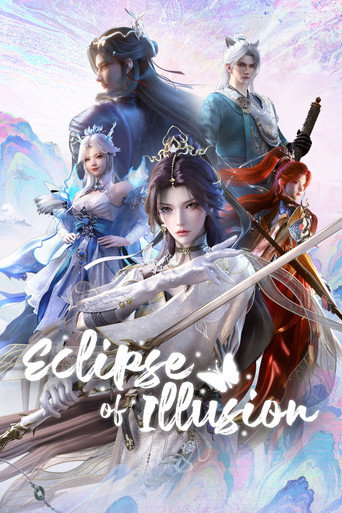
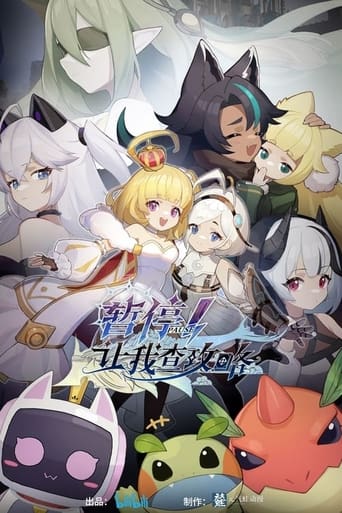
Much of modern donghua is commissioned by the big Chinese streaming platforms, and knowing their names helps when looking for official episodes. Bilibili, a video platform loved by young viewers, commissions many adventurous series, from The Ravages of Time and The Girl Downstairs to Let Me Check the Walkthrough First and the CAPSULES shorts. Tencent Video, with its Tencent Penguin Pictures arm, backs many cultivation epics such as Supreme Sword God and The Dragon Prince. iQIYI and Youku commission their own series, including Against the Gods, Eclipse of Illusion and Rebirth of the Sword Patriarch.
Behind them stand the studios. Sparkly Key Animation Studio made The Legend of Qin and Legend of Exorcism and is known for detailed computer animation. Beijing Rocen Digital made Shalen, Drawing Jianghu and the Portrait of Jianghu series. Haoliners Animation, which also works in Japan, made Spiritpact, The Furious Yama and Those Years I Opened A Zoo. Passion Paint Animation made Tales of Dark River and Word of Honor, and Original Force Animation, known for its work on international films, made Martial God Asura.
For family films, Fantawild Animation makes the Boonie Bears series, one of the most successful animated franchises in China, and Alpha Group owns Pleasant Goat and Big Big Wolf. The Shanghai Animation Film Studio, the grand old studio of Chinese animation, made Lotus Lantern, the Calabash Brothers and many other classics. In Taiwan, the Pili studio is famous for its glove-puppet fantasies, which inspired Demigod and The Arti, and small independent studios such as Wolf Smoke have become known for their painterly styles.
Following a favourite platform or studio is a good way to explore. Each title page on AniHQ lists the studios behind it, so you can find other works by the same team.
The look of donghua
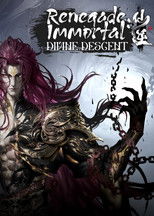
Chinese animation comes in many visual styles. Most cultivation series are animated in three-dimensional computer graphics, with detailed characters, flowing hair and robes and huge battles among mountains, clouds and floating palaces. The style lets studios produce long series with many seasons, and it has become more refined every year: compare the early seasons of The Legend of Qin with recent series such as Renegade Immortal and the difference is striking.
Hand-drawn two-dimensional animation is also thriving, especially in series from bilibili and in adaptations of manhua. The Ravages of Time uses a bold, graphic style with heavy shadows, while comedies such as I'm Joybo and Hey, Your Cat Ears Are Showing! use soft colours and expressive characters. Many series mix both, using computer graphics for crowds and backgrounds and hand-drawn animation for faces and gestures.
Traditional Chinese art runs through much of the work. Ink-wash painting, with its flowing brushstrokes and misty landscapes, inspires films such as Valley of White Birds and scenes in countless wuxia series. Paper cut-outs, shadow puppetry and opera masks appear in films from the Shanghai Animation Film Studio, and the glove-puppet dramas of Taiwan's Pili studio inspired its animated features. Independent films such as On Happiness Road and Art College 1994 bring their own personal styles, from children's-book softness to the flat, deadpan drawings of Liu Jian.
Donghua around the world
Only a few years ago, Chinese animation was hard to find outside China. Today it reaches viewers in every corner of the world. Official channels post subtitled episodes of new series within days of their release, international streaming services license the most popular titles, and fan communities write guides, draw fan art and debate the finer points of cultivation realms in dozens of languages. Series that began as web novels read on phones in China now have fans in Southeast Asia, Europe, the Americas and Africa.
Part of the appeal is the sheer scale of the stories. A cultivation saga can follow its hero across hundreds of chapters of the original novel, and the animated versions often run for many seasons, letting viewers settle into a world for months or even years. Another part is the look: the finest donghua, from the ink-soaked battles of the wuxia series to the glittering palaces of the cultivation epics, show an artistic confidence that rewards a big screen.
Chinese studios also collaborate across borders. Haoliners Animation has studios in both China and Japan, and several series here were produced with Japanese partners or first broadcast in Japan. Family films such as the Boonie Bears adventures are dubbed into many languages and shown in cinemas across the world, and festival films such as Art College 1994 and On Happiness Road have travelled to international film festivals.
For newcomers, the best approach is to start with something that matches a genre you already love. Fans of historical dramas will feel at home with The Ravages of Time, fans of superhero stories might try Hero Return, fans of fantasy games will enjoy Let Me Check the Walkthrough First or Monster But Wild, and fans of heartfelt family films will find plenty to love in McDull. Once you find a favourite, the shelves and the Top 10 will lead you to the next one.
AniHQ tries to make that journey simple. Each title page gathers the essential facts in one place, the search accepts English and Chinese titles, and every Watch now button leads straight to the official services in your country, so you can spend less time searching and more time watching.
Heroes of donghua
Donghua heroes come in many shapes, and meeting a few of them is a good way into the genre. There is the underdog, the young cultivator mocked as talentless who slowly reveals a hidden gift, as in Martial God Asura or The Proud Emperor of Eternity. There is the reincarnated master, a great figure betrayed at the height of his power who returns to his younger self with all his memories, as in Ascendants of the Nine Suns or Rebirth of the Sword Patriarch. There is the wandering swordsman, loyal, witty and quick with a blade, who fills the pages of wuxia stories such as The Young Brewmaster's Adventure.
There is also the strategist, the quiet mind behind the generals, who wins battles with patience and cunning, as in The Ravages of Time. There is the ordinary modern person swept into another world, whether a game, a sect or an ancient dynasty, who must use modern common sense to survive, as in Let Me Check the Walkthrough First and My Heroic Husband. And there are the family favourites: two bear brothers and a logger, a village of goats and a hungry wolf, and a round-faced piglet who dreams of the Maldives.
Villains matter just as much. Cultivation stories are full of arrogant young masters, jealous rivals and ancient demons, while wuxia tales are driven by betrayals, hidden identities and old feuds between families. Some of the most memorable series, such as Villain Initialization, even make the villain the hero. Whoever you root for, the shelves on AniHQ make it easy to find the next great character.
Tips for following donghua
A few tips make donghua easier to enjoy. First, expect several English names. Many series are known by a translation of their Chinese title, a transliteration and sometimes a different official English name, so the search on AniHQ accepts all of them, along with the original Chinese title. If a title seems hard to find, try a shorter part of its name.
Second, check the season structure. Chinese platforms often release long series in seasons of different lengths, and some count episodes continuously across seasons. Each series page on AniHQ lists every season and episode with its air date, so you can see where each season begins and ends.
Third, many series release weekly, sometimes with episodes shorter than the usual twenty minutes, and some continue for years. Add a series to My List and tick off the episodes you have watched, and your place will be kept in your browser. Finally, give a cultivation series a few episodes to find its feet: these stories begin with weak heroes on purpose, and the pleasure lies in watching them grow.
A headquarters for Chinese animation
AniHQ is built for anyone curious about donghua, whether you already follow every season of a cultivation epic, love the wit of The Ravages of Time, grew up with McDull or simply want to see what Chinese animators are making today. Every title has been chosen by hand, every page leads to official services and every shelf is designed to make the next choice a little easier. Start with the spotlight, follow a colour in the Genres cloud and enjoy the journey.
Questions
What is AniHQ?
AniHQ is a guide to donghua, animation from mainland China, Hong Kong and Taiwan, with a Watch now button on every title page that opens it on the official services in your country.
What does donghua mean?
Donghua is the Chinese word for animation. Fans use it for series and films made in mainland China, Hong Kong and Taiwan.
How do I watch a title?
Open the title page, choose your country and press Watch now. JustWatch opens with the official services that carry it where you live.
What is a cultivation series?
Cultivation, or xianxia, stories follow heroes who train body and spirit through realms of power toward immortality, such as Against the Gods and Martial God Asura.
Are the series subtitled?
Most series have English subtitles on official services and official channels, and some family films have English dubs.
Which titles suit younger viewers?
The Family shelf gathers titles for younger viewers, such as the Boonie Bears and Pleasant Goat films and the McDull films.
How do I keep track of a long series?
Add the series to My List and tick the episodes you have watched. Your place is kept in your browser.
Where do the scores and details come from?
Scores, episode lists, cast and studio details come from TMDB, and the Watch now button uses JustWatch to list official services.